Loading
A global portal for the study of what lies beyond
Journey Beyond
Explore the Mysteries of Existence.
A global destination exploring consciousness, the afterlife, human experiences and the many perspectives on what may lie beyond physical life.
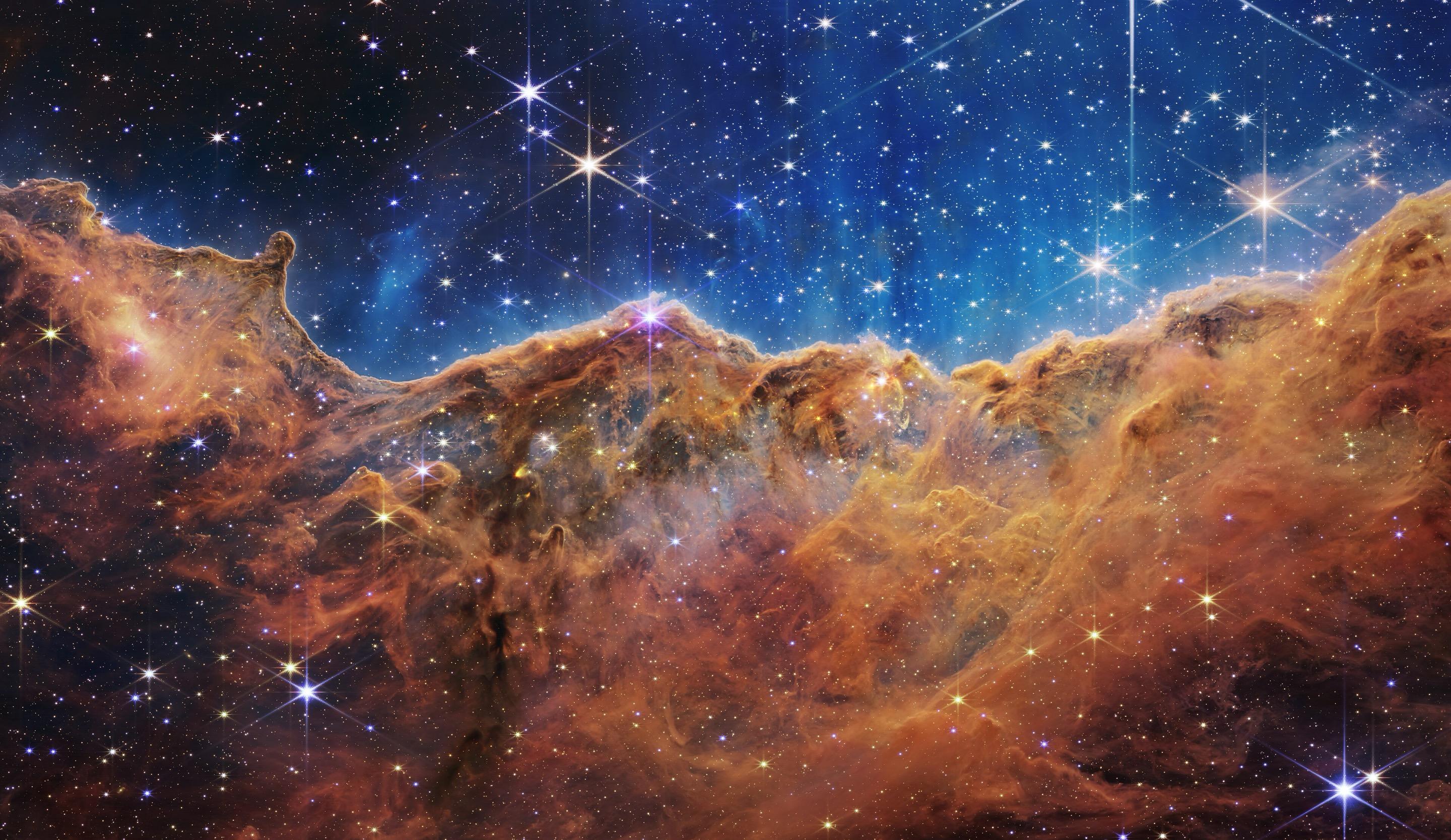
Image: NASA, ESA, CSA, STScI
Start here
Eight ways into the mystery
Each topic sets out what traditions teach, what people report and what research has found.
Life After Death
The oldest human question, as it has been answered by traditions, philosophers and researchers.
Near-Death Experiences
Vivid experiences reported by people who came close to death, and what studies have and have not found.
Out-of-Body Experiences
The sensation of perceiving the world from outside one's body, explored by experiencers and neuroscientists.
Reincarnation
The belief that we live more than once, and the case studies of children who report earlier lives.
Life Between Lives
Descriptions of an interval between death and rebirth, from ancient texts to modern hypnotic regression.
Consciousness
What awareness is, how it relates to the brain, and why the answer matters for every other question here.
Spiritual Traditions
How the world's traditions have described death, the soul's journey and what lies beyond.
The Nature of the Soul
Whether there is a self that outlasts the body, according to philosophers, traditions and science.
Researchers & biographies
Meet the pioneers
Scientists, physicians, philosophers and teachers who shaped how we think about what lies beyond.
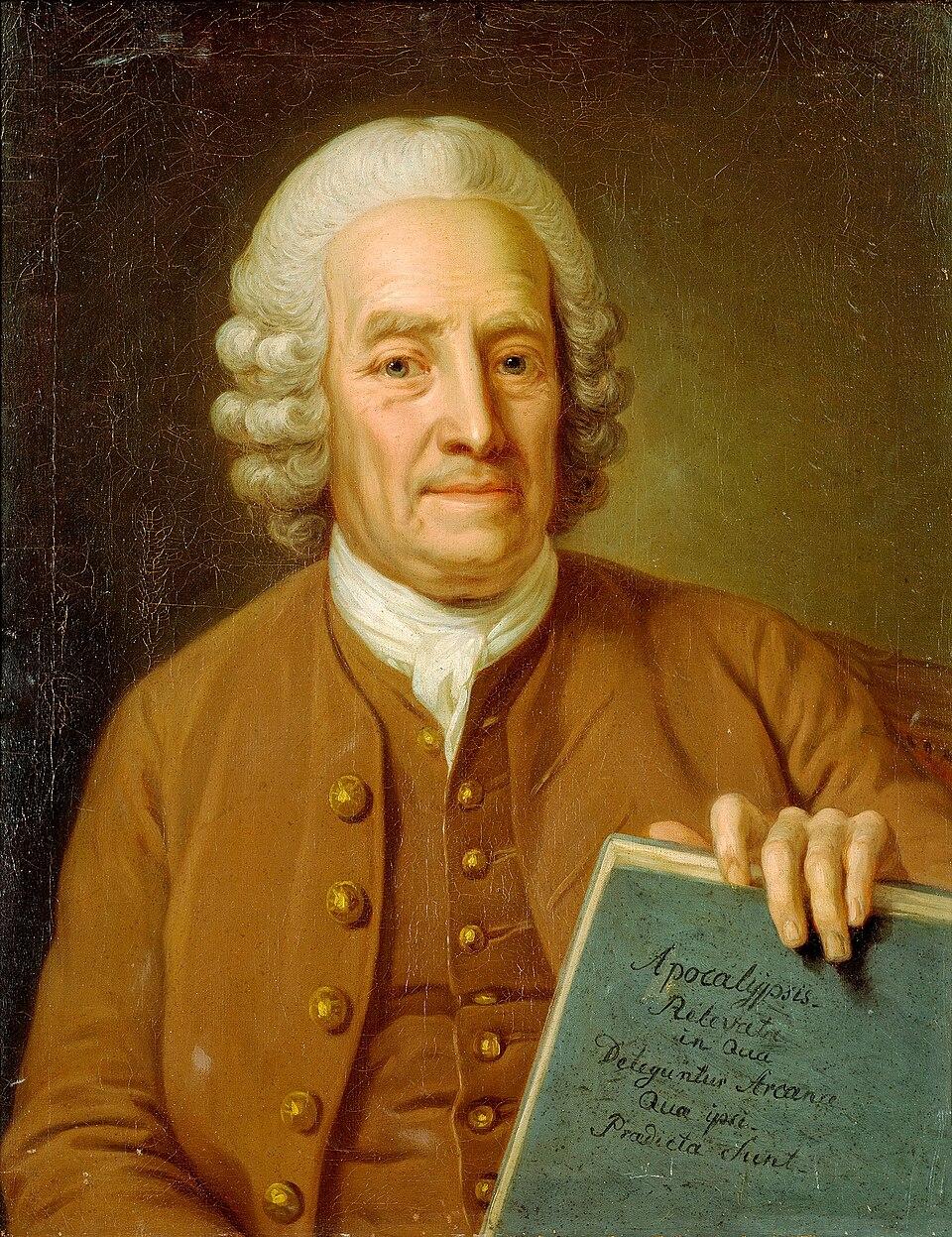
Per Krafft the Elder, c. 1766. Public domain. Emanuel Swedenborg
1688–1772
Swedish scientist, philosopher and theologian
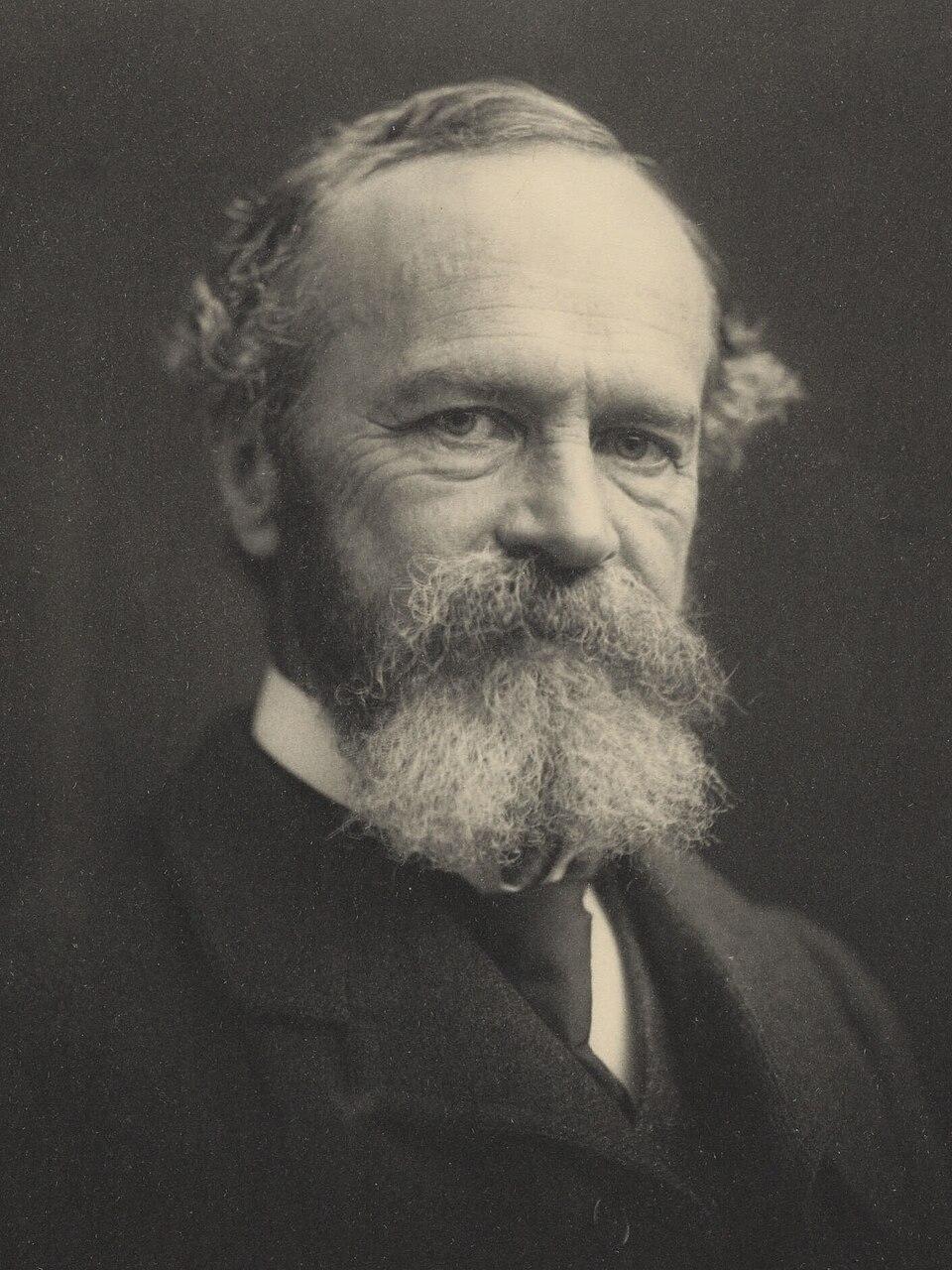
Notman Studios, 1903. Houghton Library, Harvard. Public domain. William James
1842–1910
American psychologist and philosopher
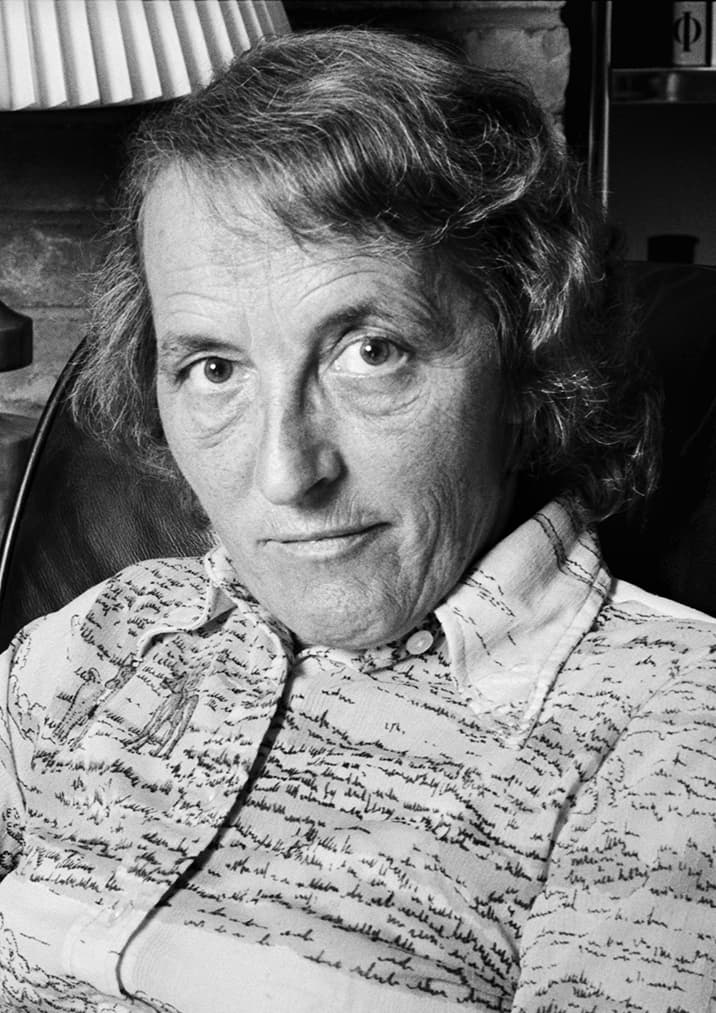
Lynn Gilbert, 1978. CC BY-SA 4.0. Elisabeth Kübler-Ross
1926–2004
Swiss-American psychiatrist
Robert A. Monroe
1915–1995
American broadcasting executive and author
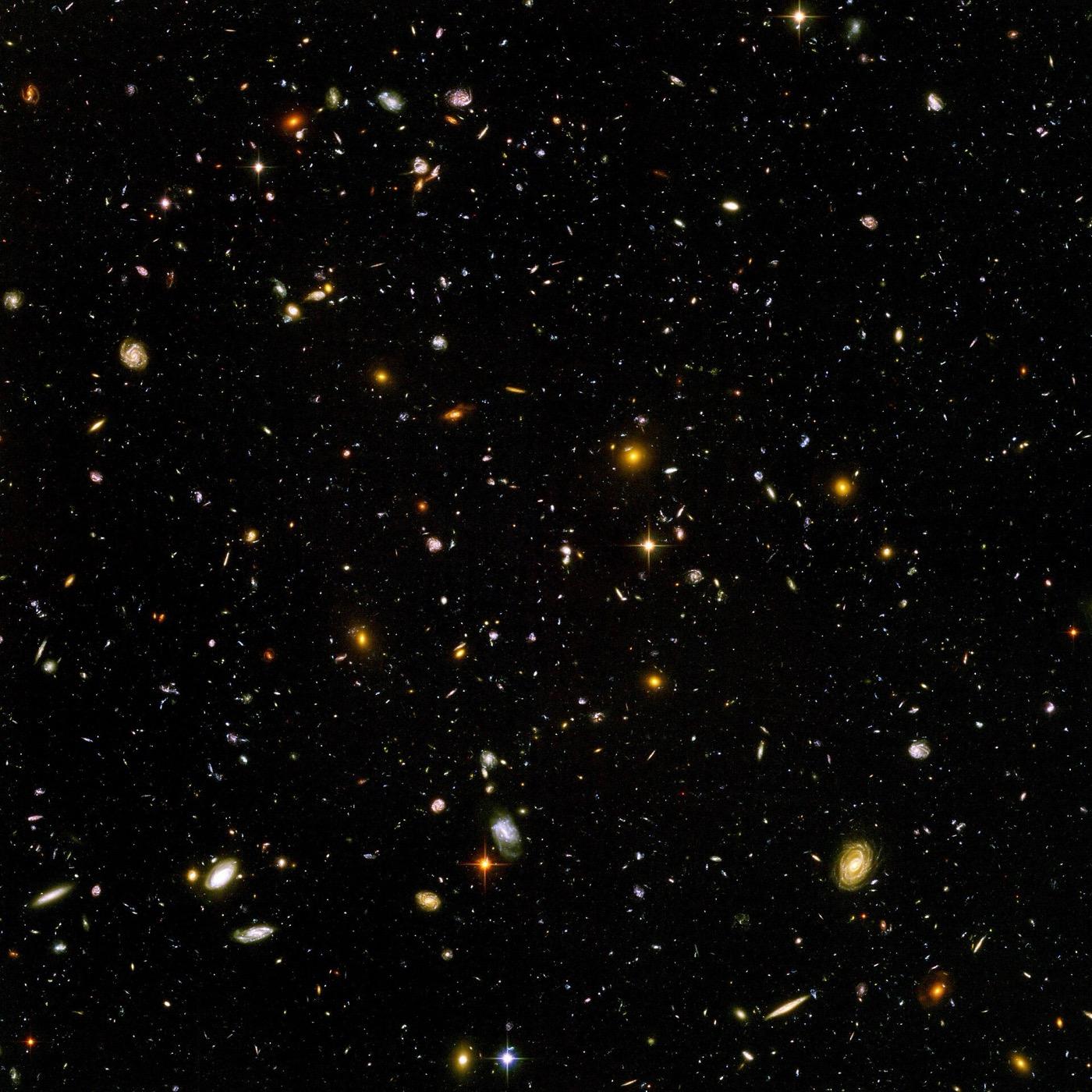
Image: NASA and ESA
In preparation
The Afterlife Atlas
An interactive guide to how Swedenborg, Robert Monroe, the Sant Mat teachers and others have described existence beyond death, set side by side so you can compare them.
These are conceptual frameworks and reported perspectives, not a verified map of the afterlife.
Experiences archive
Every account, clearly labelled
The archive will publish only real accounts from cited sources or consenting contributors. Each one will carry one of five labels, so you always know what you are reading.
First-hand testimony
Told by the person who had the experience, in their own words.
Independently investigated account
Details were checked by a researcher who was not part of the event.
Published case study
Documented in a book, journal or report that can be cited.
Retrospective account
Recorded long after the event, with the limits of memory that implies.
Unverified or disputed
Not checked, or challenged by other evidence. Shown with that caveat.
Scientific research
What the studies found, and their limits
Summaries of published research, each with its source and its limitations.
- Scientific research
Near-death experience in survivors of cardiac arrest: a prospective study in the Netherlands
van Lommel, van Wees, Meyers & Elfferich (2001)
Of 344 patients resuscitated after cardiac arrest in ten Dutch hospitals, 62 (18%) reported a near-death experience.
Limitation: The study relies on patients' own reports after recovery and cannot show what caused the experiences.
The Lancet, 358(9298), 2039–2045
- Scientific research
The Near-Death Experience Scale: Construction, reliability, and validity
Greyson (1983)
Introduced a 16-item questionnaire that gives researchers a consistent way to identify and compare near-death experiences.
Limitation: The scale measures what people report. It does not test whether the reported events took place.
Journal of Nervous and Mental Disease, 171(6), 369–375
- Scientific research
Stimulating illusory own-body perceptions
Blanke, Ortigue, Landis & Seeck (2002)
Electrical stimulation of the right angular gyrus led a patient to report sensations of floating above her body.
Limitation: A report on a single patient being assessed for epilepsy treatment.
Nature, 419, 269–270
Books & reading guides
A first shelf
Six books that shaped the field, including one that argues against it.
- Personal testimony
Life After Life
Raymond Moody, 1975
The collection of accounts that introduced the term "near-death experience".
- Scientific research
On Death and Dying
Elisabeth Kübler-Ross, 1969
A psychiatrist's conversations with dying patients, and a landmark in end-of-life care.
- Philosophy
The Varieties of Religious Experience
William James, 1902
A psychologist's study of religious and mystical experience as a human phenomenon.
- Spiritual teaching
Heaven and Hell
Emanuel Swedenborg, 1758
Swedenborg's description of the spiritual world, drawn from his reported visions.
- Personal testimony
Journeys Out of the Body
Robert A. Monroe, 1971
A first-hand account of out-of-body experiences by the founder of The Monroe Institute.
- Sceptical view
Dying to Live
Susan Blackmore, 1993
A psychologist's case that near-death experiences are produced by the dying brain.
In preparation
Watch
Documentaries, interviews and lectures from authorised sources. Nothing plays until you press play.
What is plannedIn preparation
Learn
Short guided modules, timelines and quizzes that introduce the subject with care.
What is plannedIn preparation
Community
Moderated discussion for adults, opening once safeguards are in place.
What is plannedHow we work
Curious, balanced and careful
- Evidence, labelled
- Scientific findings, historical sources, teachings and testimony are marked as what they are.
- Sources cited
- Studies, books and quotations are traced to their original publication.
- Many perspectives
- Sympathetic and sceptical views are presented side by side, fairly and respectfully.
- No claim of proof
- We do not say the afterlife has been scientifically proven. The question is open.